Upgrade Your Home: Crucial Insights On Residential Improvement Projects for Each House Owner
Homeowners often seek ways to improve their living spaces by using renovation services. These renovations extend starting with kitchen improvements to complete home renovations. Understanding the options available is necessary to choosing intelligently. Furthermore, there exist tangible aspects such as setting a budget and contractor selection. As homeowners commence on this journey, they might encounter unexpected challenges. The key to a successful transformation depends on meticulous preparation and performance. What are the next necessary steps?
Knowing the Various Categories of Home Remodeling Services
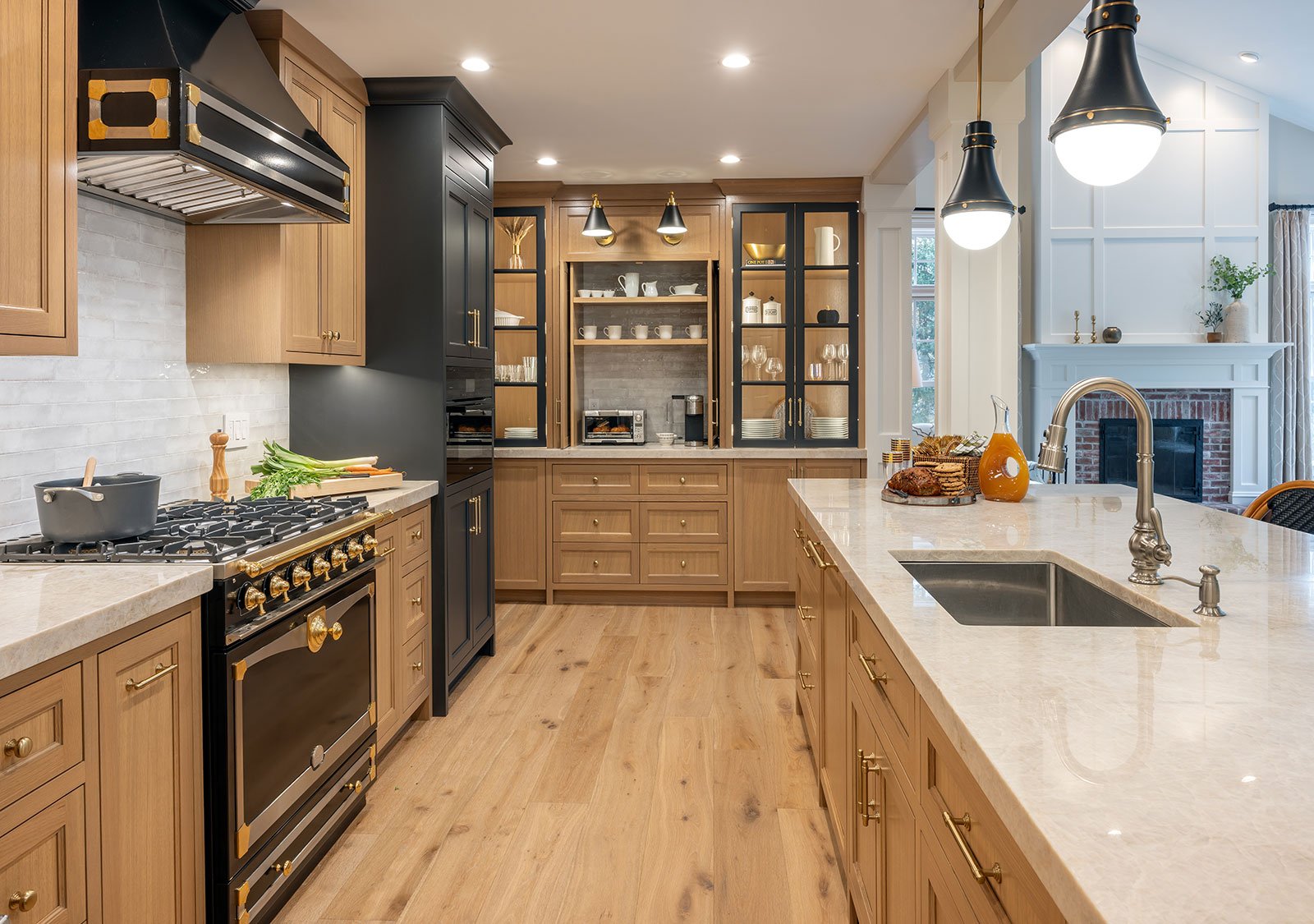
As householders look to improve their homes, they frequently come across many different types of services designed for specific preferences and preferences. These projects are generally grouped into various categories, all dealing with certain elements of home improvement. Kitchen remodeling focuses check this resource on updating appliances, storage units, and floor plans to enhance functionality and the look. Bathroom upgrades generally mean improving the fittings, tiling, and storage solutions for better convenience and design.
Full-house renovation covers major alterations across the property, sometimes requiring major structural work to maximize the area and layout. Exterior remodeling services, conversely, aim to improve the home's outward appearance, dealing with the cladding, the roof, and landscaping. Additionally, specialized services such as completing the basement and attic conversions enable property owners to utilize fully neglected parts of the home. Every renovation category delivers specific perks, enabling homeowners to choose options that fit their desired outcome for their home life. Understanding these distinctions is vital for choosing wisely while undertaking the upgrade.
Setting a Realistic Budget for Your Home Improvement Work
What steps ensure their renovation work stays within budget? Establishing a realistic budget is vital. It is advisable for homeowners to begin by evaluating their financial capacity, like savings and available loan choices. This initial step allows one to figure out the funds available for the updating project while maintaining other fiscal obligations.
Subsequently, property owners need to investigate the expenses linked to their planned updates, including materials, labor, and surprise expenses that tend to crop up. Making an exhaustive list of needs aids in separating necessities from non-essential items, allowing for adjustments if the budget tightens.
It is smart to incorporate a reserve fund, typically around 10-20% of the total budget, to handle unforeseen expenses. Periodically examining and tweaking the budget throughout the remodeling process can also help maintain financial control. Finally, a thoroughly prepared budget does more than just confirm the project can be done and makes the whole updating experience better for homeowners.
Choosing the Right Contractor for Your Requirements.
Selecting the right contractor can greatly impact the outcome of an updating effort. Property owners ought to start by performing extensive investigation, seeking recommendations from friends, family, or online reviews. It’s vital to verify credentials, including licenses, insurance, and bonding, to confirm legitimacy.
After suitable professionals have been found, property owners must ask for comprehensive quotes and schedules, making it possible to compare options knowledgeably. Interviews provide insight into communication styles and professionalism, which are essential for a collaborative process.
Additionally, reviewing past projects through portfolios or references demonstrates the professional's skill level. It is wise to question them regarding warranties or safeguards, which shows the professional's belief in their output.
Finally, picking a builder whose approach fits the property owner's ideas, cost plan, and timeframe leads to a more favorable updating process, ensuring the work fulfills requirements and transforms the living space effectively.
Organizing and Conceptualizing Your Ideal Space.
When property owners picture their perfect areas, thorough preparation and well-considered layout form vital parts of a successful remodeling project. The initial phase includes assessing present requirements and long-term goals, to gain a complete comprehension of the area's utility. Homeowners should consider practicality, aesthetics, and personal style, to guarantee the design showcases their individual tastes.
Subsequently, establishing a thorough budget is crucial. This budget should accommodate supplies, labor, and potential unforeseen expenses. Engaging with design professionals can offer helpful perspectives, assisting in improving the layout while adhering to budgetary constraints.
Integrating components like natural light, open layouts, and eco-friendly supplies can improve the final result. Lastly, seeing the project via mock-ups or 3D visualizations can assist in finalizing plans prior to construction. By approaching the planning and design phase with intention, homeowners can create an inviting, efficient space tailored to their lifestyle.
Dealing with Permits and Building Codes in Residential Projects
Familiarizing oneself with the red tape and requirements can be challenging for homeowners starting on a remodeling project. Each municipality has specific rules that dictate what is permissible during renovations, frequently shaped by zoning laws, building codes, and security requirements. It is essential for homeowners to understand local regulations to avoid costly fines or setbacks in the timeline.
Typically, obtaining permits is crucial for significant alterations, such as modifying load-bearing elements or new wiring installations. This process frequently requires submitting blueprints for approval and may require inspections at multiple points.
Engaging a knowledgeable contractor can simplify this process, as they are usually well-versed in local regulations and can assist with paperwork. Owners must also maintain clear communication with local building departments to verify legality throughout the project. By grasping and navigating these regulations, homeowners can achieve their remodeling goals and maintaining compliance with the law in their renovations.
Common Queries
How Long Does a Typical Home Remodeling Project Take?
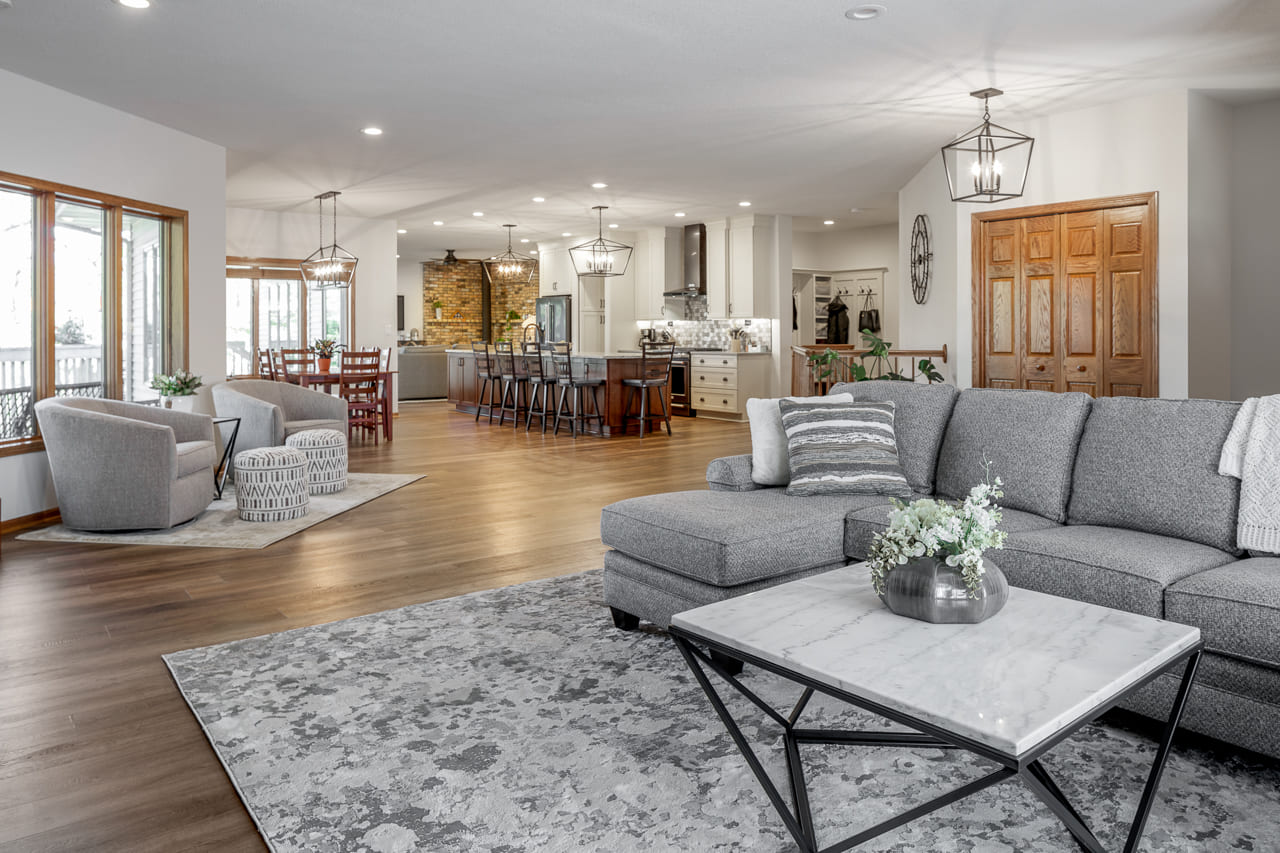
A typical home remodeling project usually takes between three to six months, based on the size of the job, scale of the house, and availability of materials. More involved renovations might need extra time for completion.
What's the best way to avoid frequent blunders to avoid throughout the renovation process?
Common mistakes during remodeling are things like failing to budget properly, ignoring necessary permits, missing scheduled deadlines, poor communication with the construction team, and not considering long-term functionality. Knowing these potential problems helps ensure a less stressful, more successful renovation project.
How should I go about choosing the right materials for my renovation?
Choosing the right materials means considering how long they will last, visual appeal, and cost constraints. Researching options, talking to specialists, and factoring in how much care they require can greatly aid in making informed decisions, ensuring the project aligns your needs and preferences.
Can I live in my home while the remodeling is happening?
You are able to stay on the premises while work is ongoing, but you should expect some hassle. Thorough preparation, effective coordination with the renovation team, and setting aside certain zones where you can live normally will reduce the inconvenience throughout the project.
What kind of coverage should be provided from remodeling contractors?
You should anticipate receiving warranties for the labor performed, the supplies used, and structural components, typically ranging from one to ten years. It is crucial to review specific terms and conditions with contractors to understand coverage and limitations fully.